Bone Grafting
Adding bone where it's been lost.
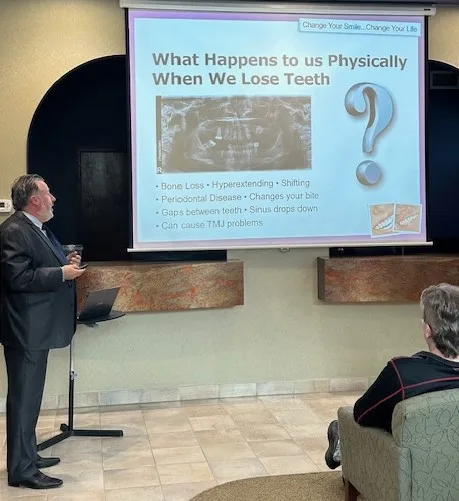
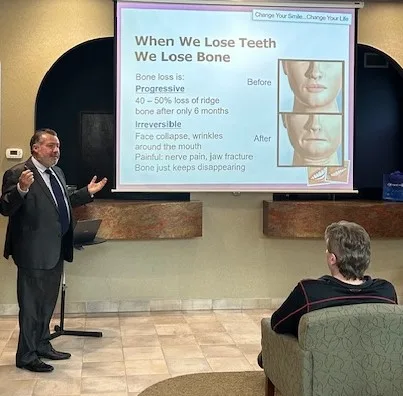
When a tooth is extracted and not replaced, or when periodontal disease has eaten away at the jaw, the bone in that area shrinks. Bone grafting adds material back so the jaw can support a future implant, denture, or healthier tissue.
When grafting is needed
- At the time of extraction, to preserve the socket for a future implant
- Before implant placement when existing bone isn't sufficient
- After advanced periodontal disease has destroyed bone
- To rebuild a ridge that has resorbed under a long-worn denture
Types of graft material
We use a combination of materials depending on the size and location of the area being treated: autograft (your own bone), allograft (processed donor bone), xenograft, and synthetic options. Each has trade-offs for healing time and predictability that we explain when we recommend an approach.
Timeline
A graft takes several months to integrate before it's strong enough to support an implant. Smaller socket-preservation grafts heal faster than large ridge augmentations.
Your treatment plan lays out the timeline for your specific case: when grafting happens, when implants follow, and how long between each step.
Our Location
Schedule Your Visit Today
We warmly invite you to experience exceptional dental care at our practice. Our downtown Hopkins, MN office is designed with your comfort and convenience in mind, featuring modern amenities and a welcoming atmosphere. Our dedicated team is here to provide personalized attention and address all your needs with professionalism and compassion.