Pterygoid Implants
Chewing power in the back of the upper jaw.
A pterygoid implant anchors into the pterygoid plate behind the upper jaw, a dense piece of bone that doesn't shrink with age. It's the advanced technique we use to give patients real chewing strength when standard implants would only reach the front.
The problem it solves
The back upper jaw is the hardest spot.
The maxillary sinuses sit directly above your upper back teeth. When those teeth are missing, there's often not enough bone height to place a standard implant without first doing a sinus lift (adding bone to make room).
Pterygoid implants skip the sinus entirely. They angle backward into a piece of bone called the pterygoid plate, which is dense and doesn't shrink. The result is a fixed prosthetic with full chewing support in the back, not just teeth that look right in the front.
When we recommend it
Often paired with full-arch cases.
Most pterygoid placements at our office happen as part of a full-arch upper case (All-on-X with extended posterior support). We combine standard anterior implants with pterygoid implants in the back, distributing the load across the entire arch.
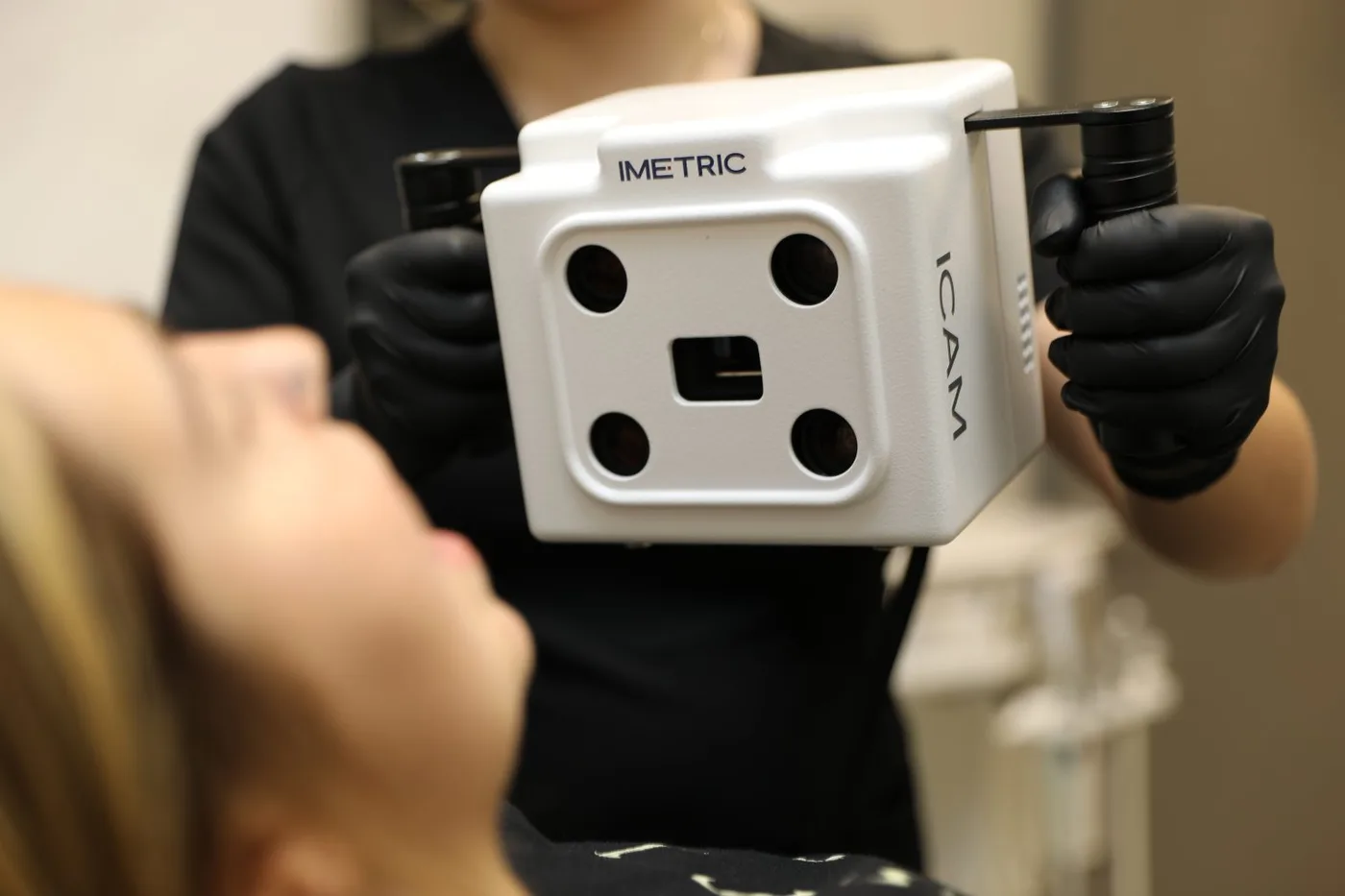
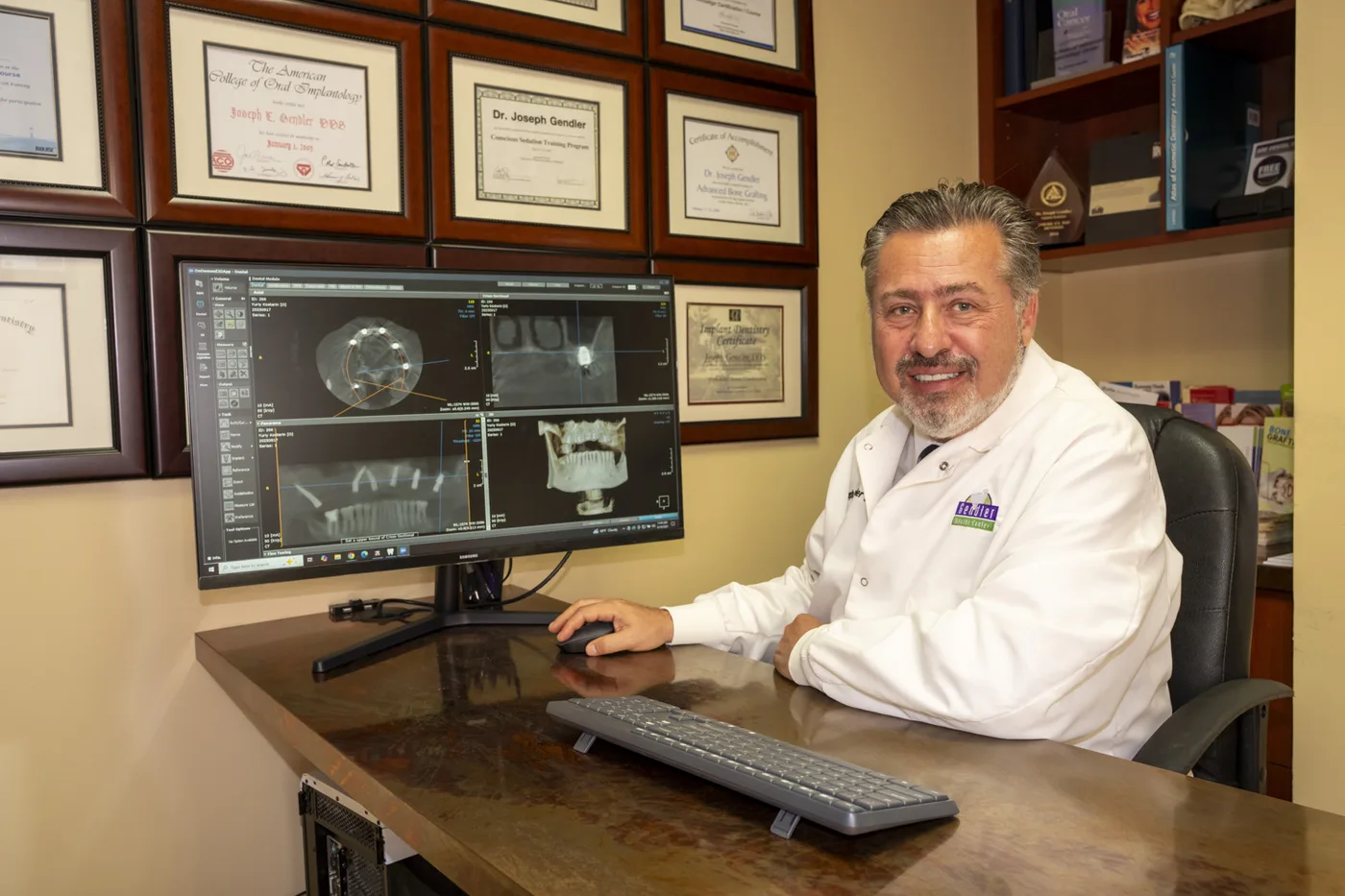
The trade-off is that pterygoid placement requires advanced training and specific imaging. Not every implant practice offers it. We do this work in-house, often the same surgery as the rest of the arch.
Our Location
Schedule Your Visit Today
We warmly invite you to experience exceptional dental care at our practice. Our downtown Hopkins, MN office is designed with your comfort and convenience in mind, featuring modern amenities and a welcoming atmosphere. Our dedicated team is here to provide personalized attention and address all your needs with professionalism and compassion.