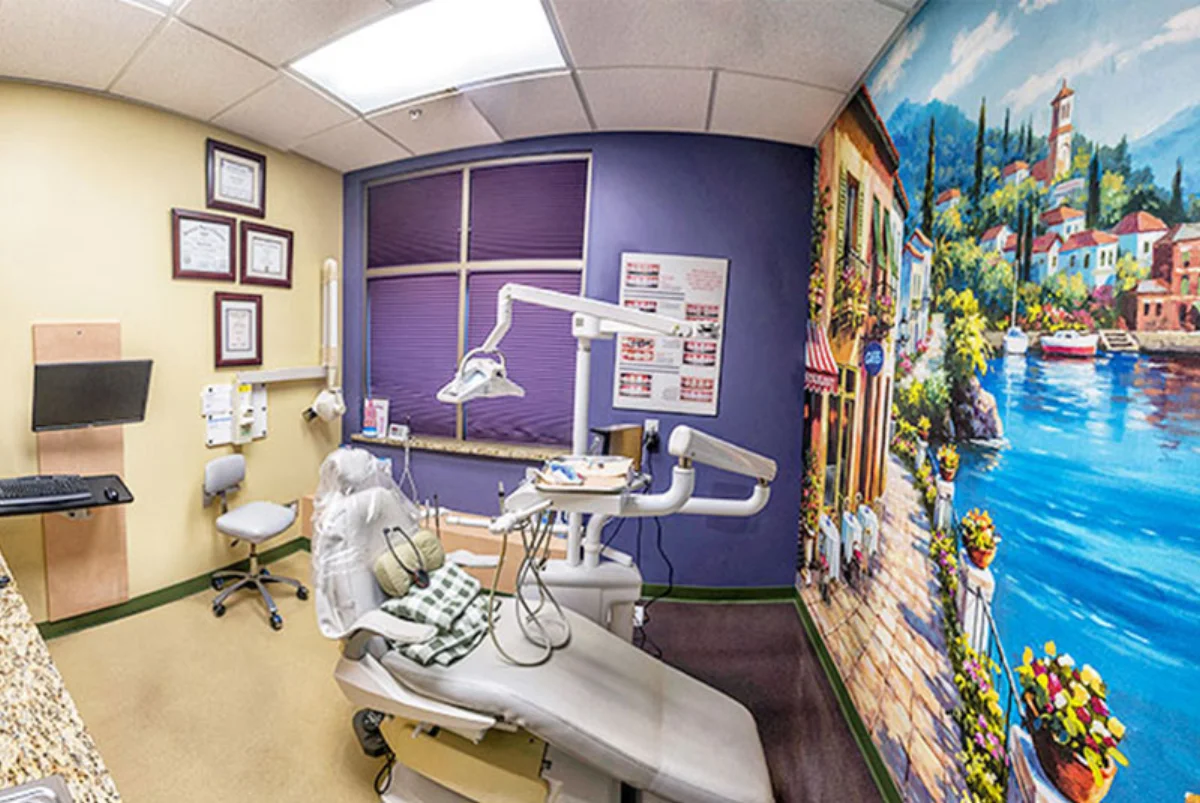
For some people, visiting the dentist is a routine part of maintaining their health. For others, even the thought of sitting in the dental chair can cause significant anxiety.
Fear of discomfort, a previous negative experience, a sensitive gag reflex, or difficulty remaining comfortable during treatment may lead patients to postpone necessary dental care. Unfortunately, delaying treatment can allow relatively manageable dental problems to become more complicated.
Sedation dentistry may help make dental visits calmer and more comfortable. At Gendler Dental Center, we take the time to understand each patient’s concerns and determine whether sedation or another comfort-focused approach may be appropriate.
We proudly care for patients from Hopkins, Minnetonka, St. Louis Park, and surrounding west metro communities.
What Is Sedation Dentistry?
Sedation dentistry uses medication to help patients feel calmer and more relaxed before or during dental treatment.
Depending on the method and level of sedation, a patient may remain fully awake and responsive, feel sleepy, or have limited awareness of the procedure. Sedation can be administered through an inhaled gas, oral medication, or another method based on the patient’s needs and the treatment being performed.
Sedation is sometimes informally called “relaxation dentistry” or “sleep dentistry.” However, most forms of dental sedation do not make the patient fully unconscious.
General anesthesia is different from the minimal or moderate sedation commonly used in dental care. It produces a temporary loss of consciousness and requires specialized training, monitoring, equipment, and safety protocols.
Sedation and Local Anesthesia Are Not the Same
Sedation and local anesthesia serve different purposes.
Sedation primarily helps reduce fear, anxiety, awareness, and emotional distress.
Local anesthesia numbs the specific area being treated to help control procedural pain.
Sedative medications do not necessarily provide complete pain control on their own, so local anesthetic is commonly used along with sedation when a procedure requires numbing.
Your dentist will explain which comfort and pain-control methods may be appropriate before treatment begins.
Who May Benefit From Sedation Dentistry?
Sedation may be helpful for patients who:
- Experience moderate or severe dental anxiety
- Have postponed dental care because of fear
- Have had a previous negative dental experience
- Have a sensitive or strong gag reflex
- Find it difficult to remain still or comfortable
- Feel overwhelmed by dental sounds, sensations, or smells
- Need a longer or more involved procedure
- Require several treatments during one appointment
- Have difficulty becoming numb with local anesthetic alone
- Have physical, developmental, cognitive, or sensory needs that make treatment more challenging
Sedation is not necessary or appropriate for every patient. A consultation and health review are needed to determine whether it can be used safely.
Benefits of Sedation Dentistry
Reduced Dental Anxiety
One of the primary benefits of sedation is its ability to help anxious patients feel calmer during treatment.
Dental anxiety can range from mild nervousness to intense fear that prevents someone from scheduling an appointment. Sedation may make it possible for patients who have avoided care to receive preventive, restorative, or other necessary treatment.
Open communication is also important. Letting the dental team know about anxiety, past experiences, and specific triggers can help them adapt the appointment to the patient’s needs.
Greater Comfort During Treatment
Sedation may help patients feel less tense and more at ease in the dental chair. This can be particularly useful during lengthy appointments or procedures that require the mouth to remain open for an extended period.
Patients may still receive local anesthetic when needed to numb the treatment area.
Support for a Strong Gag Reflex
A sensitive gag reflex can make dental X-rays, impressions, cleanings, and restorative procedures difficult to complete.
For some patients, sedation can reduce anxiety and help make the gag reflex easier to manage. The appropriate approach depends on the patient and the procedure.
More Treatment in Fewer Visits
In certain cases, sedation may allow a patient to remain comfortable during a longer appointment so that multiple procedures can be completed in one visit.
This is not appropriate for every treatment plan, but it may reduce the number of appointments required for patients who need extensive care.
Help After a Previous Negative Experience
Dental anxiety sometimes begins after a painful, frightening, or overwhelming appointment.
A carefully planned experience that includes clear communication, appropriate numbing, breaks when needed, and sedation when indicated may help patients rebuild trust in dental care.
Common Levels and Methods of Dental Sedation
The type of sedation recommended depends on several factors, including:
- The patient’s age and overall health
- Current medications
- Level of anxiety
- Type and length of treatment
- Previous experiences with sedation or anesthesia
- The training and services available at the dental practice
Minimal Sedation
With minimal sedation, the patient remains awake and able to communicate but feels calmer and more relaxed.
Nitrous oxide, sometimes called laughing gas, is one commonly used form of minimal sedation. It is inhaled through a small mask placed over the nose.
Patients may feel light-headed, warm, tingly, or pleasantly relaxed. Nitrous oxide is not intended to make the patient unconscious, and its effects generally decrease soon after the mask is removed.
Moderate Sedation
During moderate sedation, the patient may feel very relaxed or sleepy but can generally still respond to verbal directions or gentle stimulation.
Some patients remember little about the appointment, although reduced memory is not guaranteed.
Because the effects may continue after the procedure, patients receiving certain forms of moderate sedation generally need a responsible adult to drive them home and remain with them as instructed.
Deep Sedation
Under deep sedation, the patient has a significantly reduced level of awareness and may not respond easily except to repeated or stronger stimulation.
Deep sedation requires advanced training, close monitoring, and appropriate emergency equipment.
General Anesthesia
General anesthesia produces unconsciousness. It is not simply a stronger version of routine relaxation dentistry and is not automatically recommended because a patient feels nervous.
It may be considered for certain extensive procedures or patients with specific medical, developmental, or behavioral needs. Appropriate screening, trained providers, monitoring, and recovery protocols are essential.
What Does Sedation Dentistry Feel Like?
The experience varies according to the medication, dosage, and individual patient.
Depending on the type of sedation, you may feel:
- Calm or less concerned about the procedure
- Light-headed
- Warm or tingly
- Sleepy
- Less aware of time passing
- Less sensitive to surrounding sounds or activity
- Groggy for a period after treatment
Minimal sedation generally allows patients to remain alert and responsive. Moderate or deeper sedation may produce more drowsiness and reduced awareness.
Your dental team should explain the expected effects before administering any medication.
What to Expect Before Your Appointment
Before recommending sedation, your dentist will review information such as:
- Your medical history
- Current prescription and nonprescription medications
- Allergies
- Previous reactions to sedation or anesthesia
- Pregnancy status when applicable
- Sleep apnea, breathing conditions, or cardiovascular concerns
- Alcohol, tobacco, or recreational substance use
- Your level of dental anxiety
- The planned procedure
Be honest and complete when discussing your health. Even medications or supplements that seem unrelated to dentistry can influence sedation safety.
You may receive instructions about eating, drinking, and taking your regular medications before the appointment. Follow those directions carefully.
What to Expect During Treatment
During your visit, the dental team may monitor your:
- Breathing
- Oxygen level
- Heart rate
- Blood pressure
- Level of responsiveness
The amount of monitoring required depends on the type and depth of sedation.
You may also receive local anesthetic to numb the treatment area. Throughout the appointment, the dental team will observe your comfort and response.
Recovery and Transportation
Recovery depends on the type of sedation used.
After nitrous oxide, many patients recover quickly once the gas is discontinued. However, your dentist will determine when it is safe for you to leave and resume normal activities.
Oral, intravenous, deep sedation, or general anesthesia may affect judgment, coordination, and alertness for several hours. You may be instructed to:
- Arrange for a responsible adult to drive you home
- Avoid driving or operating equipment
- Rest for the remainder of the day
- Avoid alcohol
- Postpone important decisions
- Follow specific eating and medication instructions
- Have an adult remain with you during the initial recovery period
Do not assume that you can drive simply because you feel awake. Follow the instructions provided by your dental team.
Is Sedation Dentistry Safe?
Sedation can be administered safely when the patient is properly evaluated, the appropriate medication and dosage are selected, and the dental team follows established training and monitoring standards.
No medication or medical procedure is entirely free of risk. Potential side effects may include:
- Drowsiness
- Nausea
- Headache
- Dizziness
- Temporary memory changes
- Changes in breathing, heart rate, or blood pressure
- An unexpected reaction to medication
Risks vary according to the type of sedation, the patient’s health, and the planned procedure.
Before treatment, ask what type of sedation is being recommended, why it is appropriate, what monitoring will be used, and what recovery precautions will be necessary.
Sedation Dentistry for Children
Some children may benefit from sedation when anxiety, age, treatment complexity, special healthcare needs, or difficulty cooperating safely makes dental care challenging.
However, pediatric sedation should never be treated as a routine shortcut for managing a nervous child. The decision requires careful consideration of the child’s health, behavior, treatment needs, available alternatives, and the benefits and risks of sedation.
Professional pediatric guidance distinguishes among minimal sedation, moderate sedation, deep sedation, and general anesthesia, with different monitoring and safety requirements for each level.
Parents should receive clear instructions about eating and drinking, medications, transportation, monitoring, and recovery.
Other Ways to Make Dental Visits More Comfortable
Sedation is only one way to support an anxious patient.
Other helpful strategies may include:
- Scheduling a consultation before treatment
- Agreeing on a hand signal for breaks
- Explaining each step before it happens
- Using headphones or calming music
- Taking short breaks during the appointment
- Applying topical anesthetic before an injection
- Using local anesthetic carefully and allowing enough time for it to work
- Scheduling shorter appointments
- Starting with a simple visit to rebuild confidence
The most appropriate plan may combine several of these methods.
Why Choose Gendler Dental Center?
At Gendler Dental Center, we understand that dental anxiety is real and can make it difficult to seek care.
Our team takes time to listen to your concerns, explain your options, and create an individualized plan designed around your health, comfort, and treatment needs. We want patients to feel respected and informed rather than embarrassed or pressured.
Before recommending sedation, we consider your medical history, anxiety level, planned procedure, and personal preferences. We also explain what you may experience, how you should prepare, and what recovery precautions may be necessary.
We proudly welcome patients from Hopkins, Minnetonka, St. Louis Park, Wayzata, Plymouth, Eden Prairie, Golden Valley, and surrounding Minnesota communities.
Frequently Asked Questions About Sedation Dentistry
Will I be unconscious during sedation dentistry?
Usually not. Minimal and moderate sedation typically allow patients to remain conscious and responsive. General anesthesia causes unconsciousness and is a distinct form of anesthesia used only when appropriate.
Does sedation dentistry prevent pain?
Sedation primarily helps control anxiety and awareness. Local anesthetic is generally responsible for numbing the area and controlling pain during treatment.
Will I remember the appointment?
Some forms of sedation may reduce memory of the procedure, but this varies by medication and patient. Complete amnesia should not be promised.
Can I drive after dental sedation?
It depends on the type of sedation. Patients who receive certain oral, intravenous, deep, or general anesthesia medications generally need a responsible adult to drive them home. Follow the instructions provided by your dental team.
Is nitrous oxide the same as general anesthesia?
No. Nitrous oxide usually produces minimal sedation. Patients remain awake, can communicate, and typically recover quickly after the gas is discontinued. General anesthesia produces unconsciousness.
Can sedation help with a strong gag reflex?
It may. Sedation can help some patients relax and better tolerate procedures that trigger gagging. Your dentist will determine whether it is appropriate for your situation.
Can several procedures be completed during one appointment?
Sometimes. Sedation may make a longer appointment more manageable, allowing multiple treatments to be completed. This depends on the patient’s health, the procedures involved, and the dentist’s treatment plan.
Is sedation appropriate for every anxious patient?
No. Some patients do well with communication, breaks, local anesthesia, or other comfort measures. Others may benefit from sedation. A health evaluation is necessary before deciding.
Is sedation dentistry safe for children?
Sedation may be appropriate for some children, but it requires careful screening, trained providers, appropriate monitoring, informed consent, and detailed preparation and recovery instructions.
Schedule a Sedation Dentistry Consultation
Dental anxiety should not prevent you from receiving the care you need.
If fear, a strong gag reflex, a previous negative experience, or difficulty tolerating treatment has caused you to postpone dental visits, speak with the team at Gendler Dental Center. We will listen to your concerns, review your health history, and discuss the comfort options that may be appropriate for you.
Contact Gendler Dental Center today to schedule a consultation and take the first step toward a more comfortable dental experience.